Yan Shou Gong · 延壽功 · The Art of Longevity

Yan Shou Gong

A 36-form Nei Gong system created in the early 1980s by Grandmaster Chee Kim Thong and Grandmaster Yap Cheng Hai, distilled from the Shaolin arts of Luohan Ruyi and Wu Ji Quan — now taught by Master Yap Boh Heong through a six-module program.

The method

What makes Yan Shou Gong different

Yan Shou Gong 延壽功 — the art of longevity — condenses two Shaolin Nei Gong arts, Luohan Ruyi and Wu Ji Quan, which were taught only to the temple's senior monks, into thirty-six short forms: each takes twenty to thirty minutes to learn and two or three minutes to practise.

Jin 勁 and Yi 意

Jin is elastic power, stored and released by the muscles, tendons and fascia like a drawn bow — and released loose, which the tradition calls Song. Yi is intention: not an energy itself, but the focus that controls how the energy is generated and released. In the Shaolin model Master Yap teaches, they are learned in order — strength, then Jin, then Yi, then Qi — and no level can be skipped.
Grounding, rooting, centering

Grounding: a stance that holds when it is pushed. Rooting: the push is sent into the ground and the ground's reaction is brought back up through the body. Centering: the centre line stays still while the body moves, so a force can be yielded to and the position regained. They are the first milestones, and each depends on the one before.

Short forms, made to be practised

Thirty-six forms, each about twenty to thirty minutes to learn and two or three minutes to practise. The founders condensed the long Shaolin forms on purpose, so that people with work and families would actually train.

Tested, not assumed

A partner applies light pressure and the structure either holds or it does not. Grounding is tested with a single finger pressed against the chest. Testing turns 'I think I am rooted' into something you can feel — Master Yap calls that experience a landmark.

Applications, set by set

Each module teaches the next six sets together with the testing methods and applications for the sets taught before it — Sets 7–12 open with the tests for Sets 1–6.

Master Yap Boh Heong
Your teacher

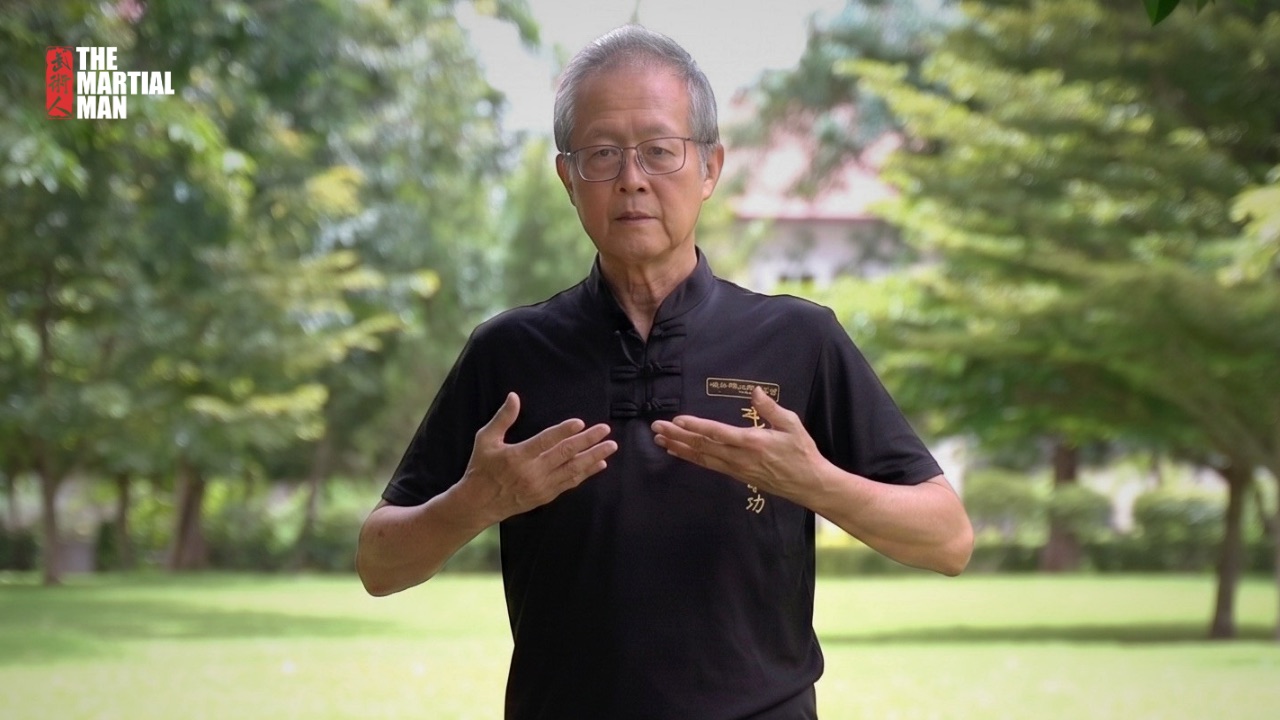
Master Yap Boh Heong

Third-generation master of Southern Shaolin Kung Fu

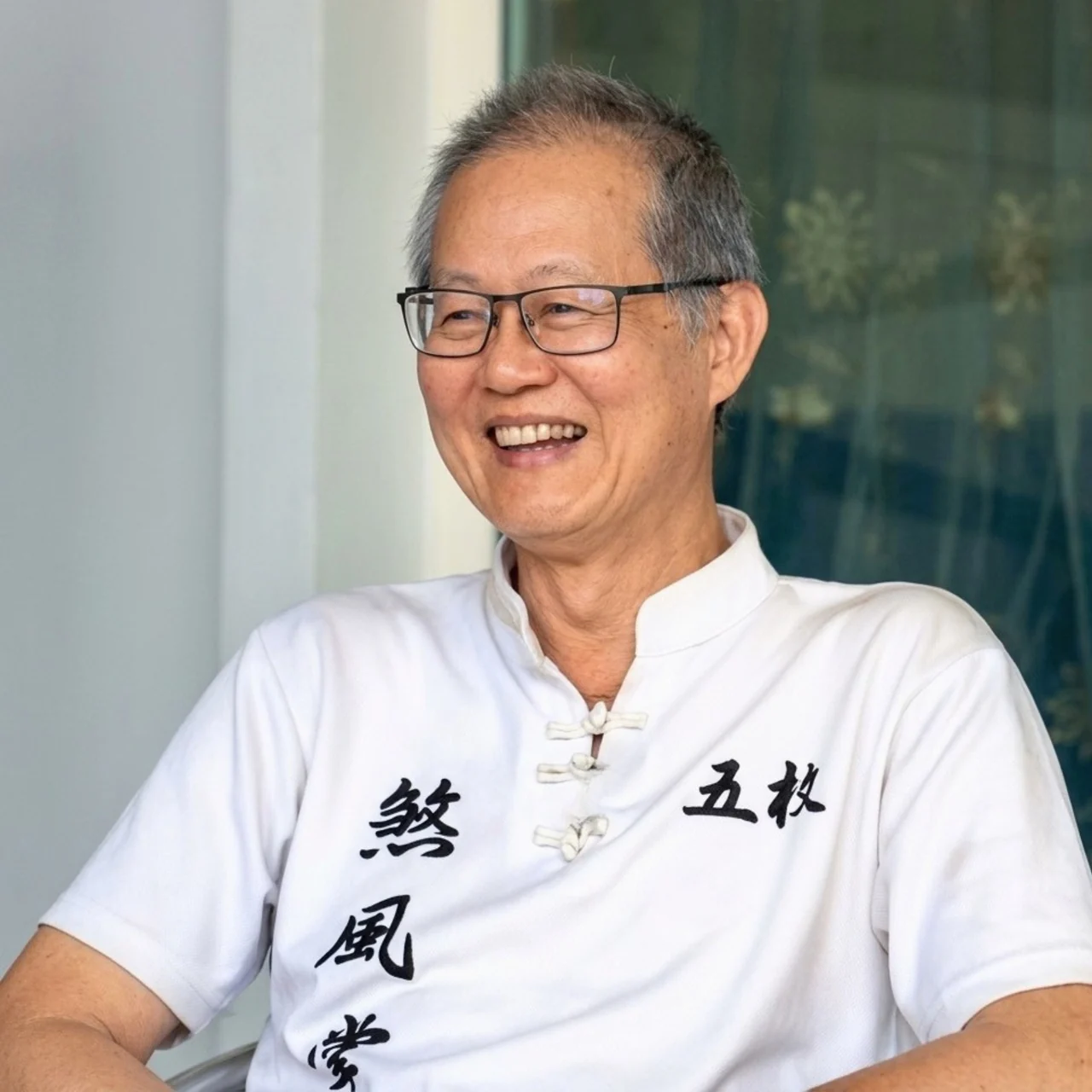
Master Yap Boh Heong is a third-generation master of Southern Shaolin Kung Fu and the son of the late Grandmaster Yap Cheng Hai. Following the passing of Grandmaster Yap Cheng Hai and Grandmaster Chee Kim Thong, he assumed responsibility for the transmission of Yan Shou Gong and now teaches it internationally.

  1. Grandmaster Chee Kim ThongCame to Malaysia towards the end of the Second World War.
  2. Grandmaster Yap Cheng HaiHis first disciple, taught from the early 1960s — Master Yap Boh Heong's father.
  3. Master Yap Boh HeongAssumed responsibility for the transmission of Yan Shou Gong and now teaches it internationally.
The program

One system, six modules

Each module teaches six sets and builds on the sets taught before it. The complete program is planned as six modules; the final two are in development.

01 · Sets 1–602 · Sets 7–1203 · Sets 13–1804 · Sets 19–2405 · Sets 25–30 · in development06 · Sets 31–36 · in development
In development
Module 5 · Sets 25–30

In development

The complete program is planned as six modules; the final two are in development.

In development
Module 6 · Sets 31–36

In development

The complete program is planned as six modules; the final two are in development.

Reference

The 36 Yan Shou Gong forms

Taught progressively across six course modules. The four published modules teach Forms 1–24; Modules 5 and 6 are in development.

The names of Forms 25–36 follow Grandmaster Yap Cheng Hai’s historical 36-set listing. They may be updated when Master Yap approves the later course modules.

Module 5 · Sets 25–30In development

  1. 25Moving the Hexagram (Ba Gua)
  2. 26Separating the Sky & the Earth
  3. 27Turning the Hexagram (Ba Gua)
  4. 28Both Palms Facing the Heart
  5. 29Phoenix Gazing at the Sun
  6. 30Monkey Climbing Up the Tree

Module 6 · Sets 31–36In development

  1. 31Shifting the Inner Qi
  2. 32Inhaling & Exhaling of Qi
  3. 33Phoenix Dancing
  4. 34Bouncing, Leading in, Pushing & Pressing
  5. 35Pulling, Throwing, Elbowing & Leaning
  6. 36Floating, Sinking, Absorbing & Expelling
Lineage

A Southern Shaolin transmission

In the lineage's own account, Grandmaster Chee Kim Thong came to Malaysia towards the end of the Second World War and, in the early 1960s, taught his first disciple, Grandmaster Yap Cheng Hai — Master Yap Boh Heong's father.

Together, in the early 1980s, the two grandmasters created Yan Shou Gong, distilling it from Luohan Ruyi and Wu Ji Quan — the two Shaolin Nei Gong arts Grandmaster Chee had learned last, from a monk of the Shaolin Temple.

Yan Shou Gong is a traditional practice for health and martial cultivation. It is not medical treatment and is not a substitute for professional medical advice, diagnosis, or care. If you have an existing health condition or are recovering from injury, consult a qualified practitioner before beginning.

Yan Shou Gong · 延壽功 · The Art of Longevity

Begin Yan Shou Gong

Yan Shou Gong is a Nei Gong system of the Southern Shaolin tradition, taught as a structured series of course modules.